




Further Information on our Stage Curtain Fabrics
Stage curtain fabrics play a crucial role in the captivating world of theater and performance. These fabrics not only provide a backdrop but also contribute to the overall ambiance, aesthetics, and functionality of a stage. In this section, we will explore the features, considerations, and popular choices when it comes to stage curtain fabrics.
Features and Benefits of our Stage Curtain Fabrics
Stage curtain fabrics are specifically designed to meet the unique demands of theatrical productions. Here are some key features that make them suitable for stage settings:
- Durability and Longevity: Stage curtains endure rigorous handling and frequent use, requiring fabrics that are highly durable and long-lasting. They are designed to withstand repeated opening and closing, ensuring their performance remains intact throughout numerous performances.
- Flame Retardant Properties: Fire safety is of paramount importance on stage, making flame retardant fabrics essential. Stage curtain fabrics are treated with flame retardant chemicals or made from inherently fire-resistant materials, minimizing the risk of fire accidents and ensuring the safety of performers, crew, and the audience.
- Light Blocking and Light Transmission: Stage curtains often need to block out external light completely or allow controlled amounts of light to create desired effects on stage. Fabrics are selected based on their light-blocking capabilities and light transmission properties, enabling theater designers to create various lighting effects and moods during performances.
- Acoustic Properties: Theatrical productions rely on effective sound management, and stage curtain fabrics can contribute to acoustic performance. Some fabrics possess acoustic qualities, helping to absorb or reflect sound waves to achieve the desired acoustics in the theater space.
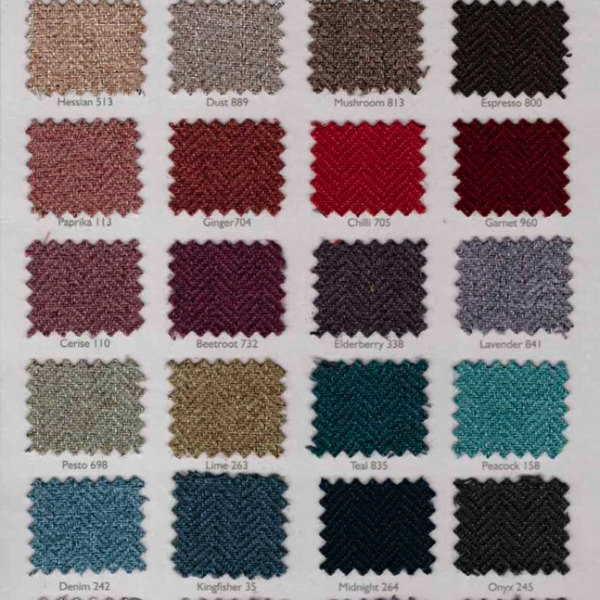
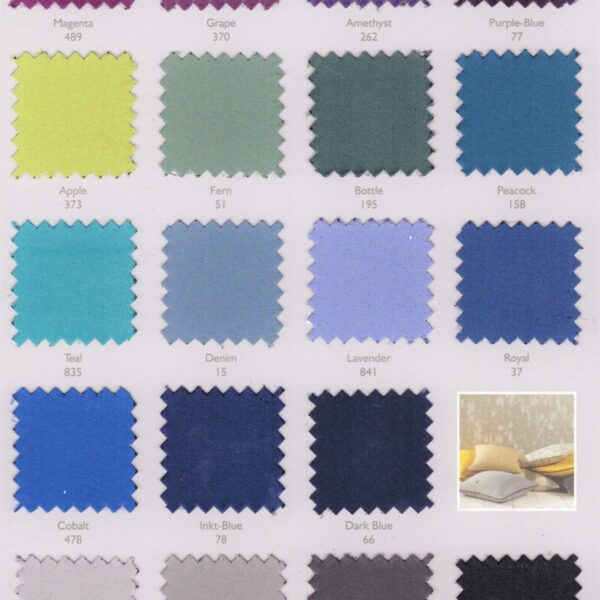
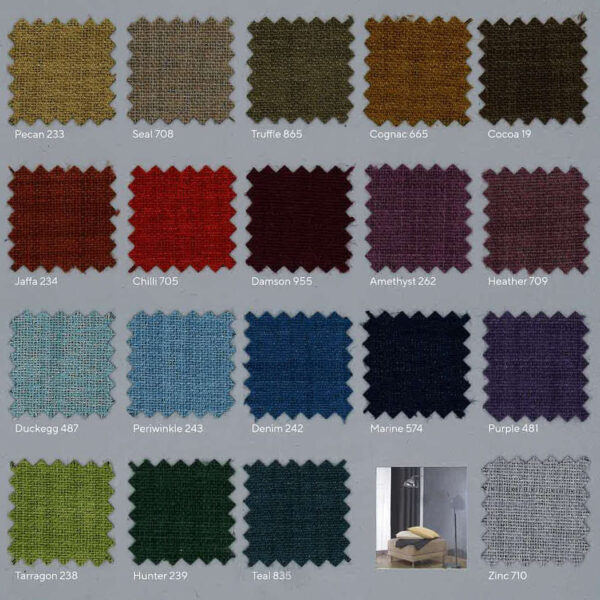
- Wide Range of Designs and Colors: Stage curtain fabrics offer a wide array of design options to suit the artistic vision of a production. From solid colors to intricate patterns, there are fabrics available that can create the desired atmosphere, evoke specific emotions, or convey the essence of a particular scene.
